
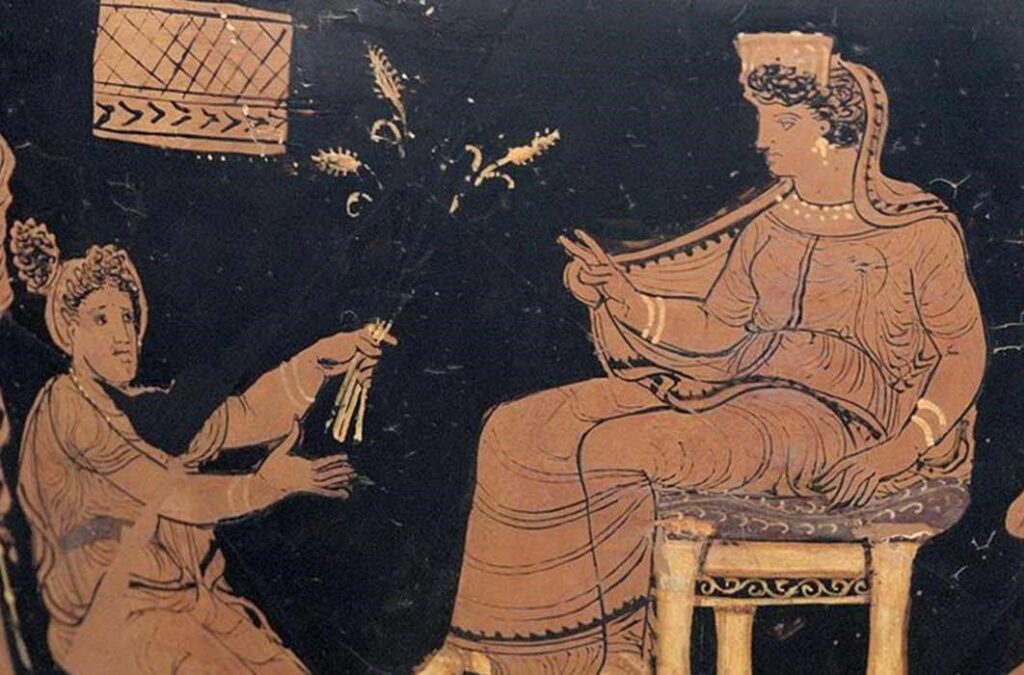
The Mysterious Eleusinian Mysteries
Conjuring up mystical images of secret initiation rites held under cover of darkness, the Eleusinian Mysteries had a reputation as a dark and dangerous festival. […]
The Mysterious Eleusinian Mysteries Read More »
Conjuring up mystical images of secret initiation rites held under cover of darkness, the Eleusinian Mysteries had a reputation as a dark and dangerous festival. […]
The Mysterious Eleusinian Mysteries Read More »
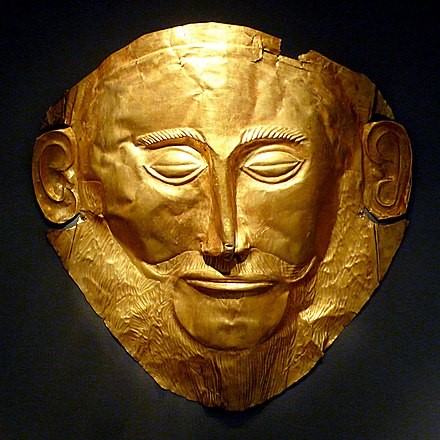
As any self-respecting Greek hero knows, sacking a city and raping its female inhabitants is hard work. So it is no wonder that after Agamemnon
Clytemnestra: Twilight of the Matriarch Read More »
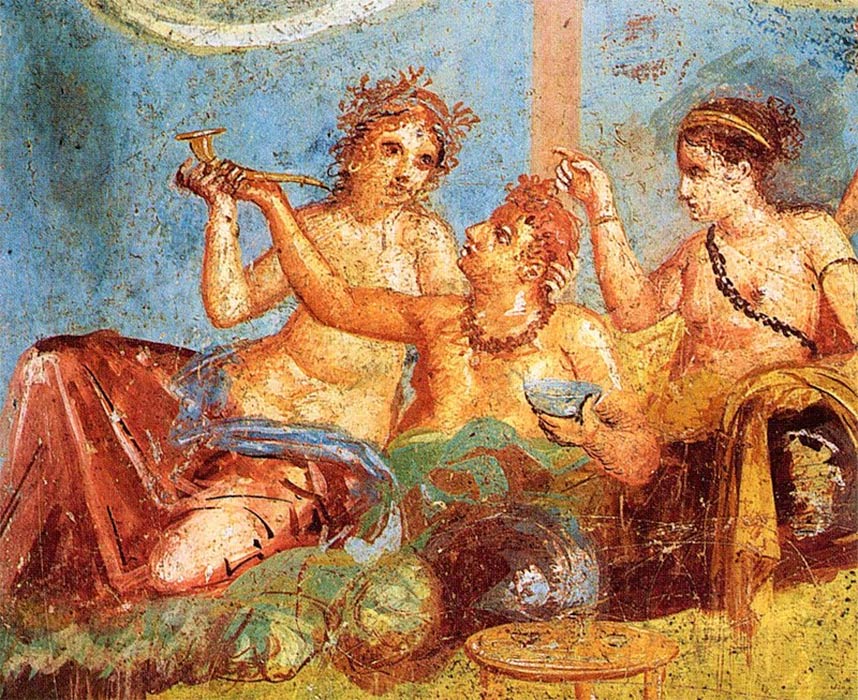
“Let her be banished for life,” Augustus (63 BC-14 AD) is recorded as saying about the harsh exile of his only biological child, Julia, to
Augustus’ Draconian Marriage Laws And The Banishment Of Julia Augusti Read More »
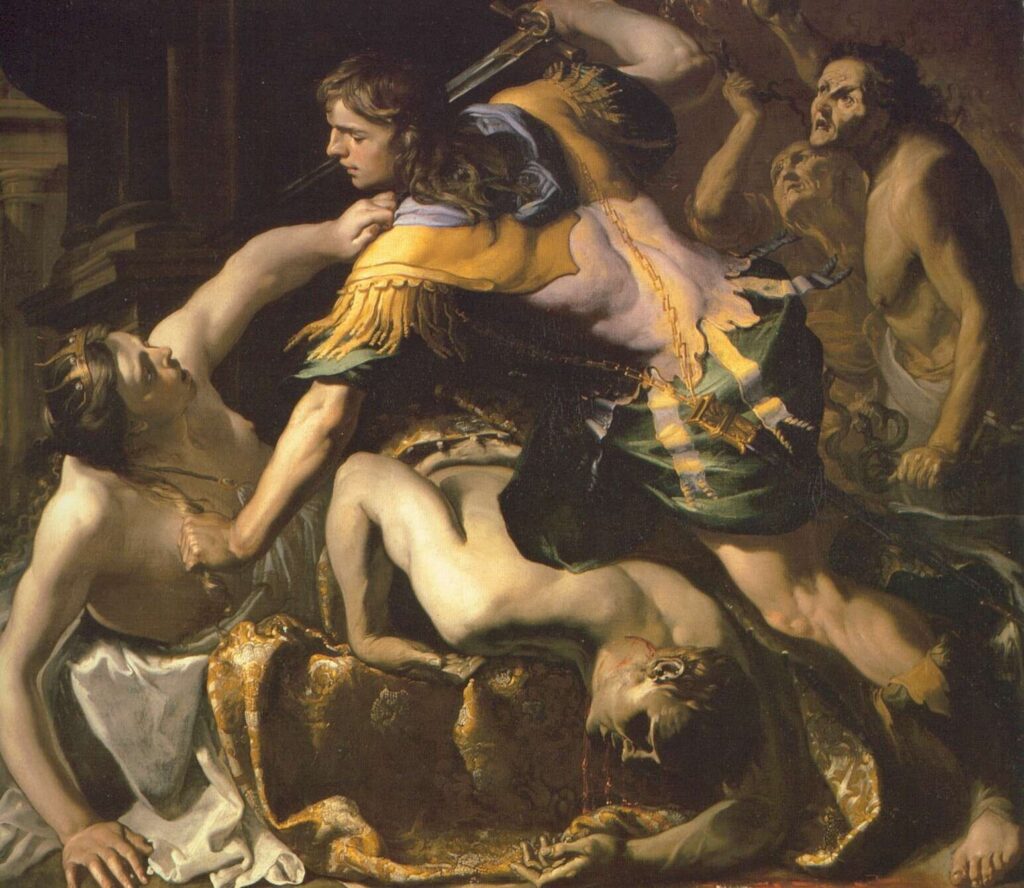
Not every Greek character has a complex named in their honor, and few are more deserving of such recognition than Electra. Coined by Swiss psychoanalyst Carl Jung to name a female counterpart to Freud’s famous “Oedipus Complex”, the “Electra Complex” describes a daughter’s longing for her father, coupled with deep resentment towards her mother. This term effectively encapsulates the myth of Electra, the princess of Mycenae and the second daughter of King Agamemnon and Clytemnestra. Imbued with themes of vengeance, loyalty, and the complex dynamics of familial relationships, her story resonates profoundly in Western literature and psychology.
The Elegies of Electra Read More »
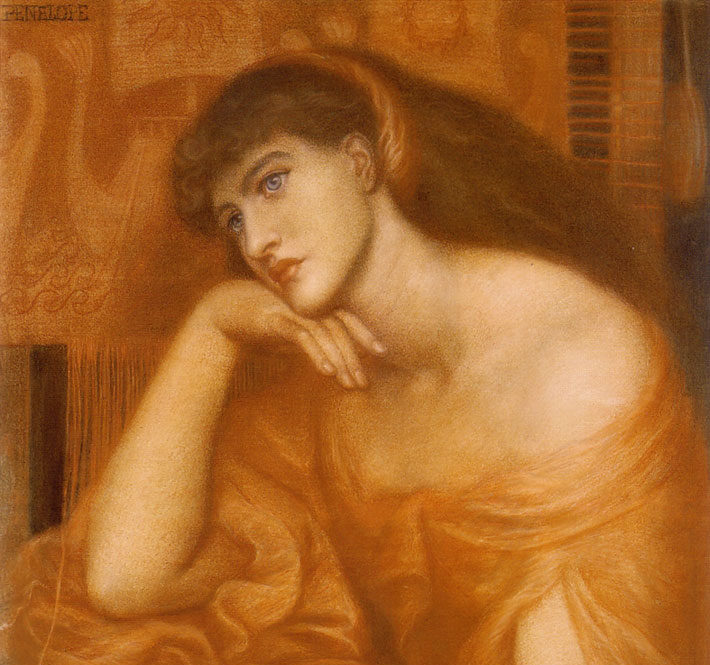
For thousands of years, women everywhere have had Penelope to thank for playing the indelible role of a loyal and stalwart wife to Odysseus, her devious, vengeful and violent-prone husband. Displaying a keen intelligence and an unwavering constancy for endless hard years, Penelope is often depicted in the epic as weeping and wailing while she confines herself to the bedroom during critical moments—apropos of any intelligent and strong woman.
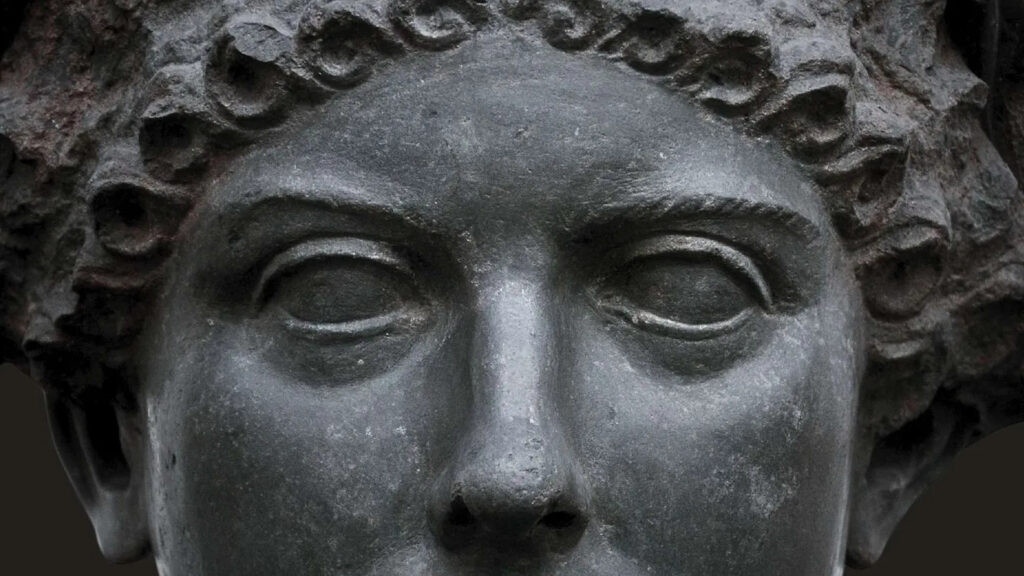
Had Julia Agrippina Minor (Agrippina the Younger, 15 CE-59 CE) known that her son Nero would ultimately have her killed, she might have reconsidered giving
The Emperor’s Mother Read More »
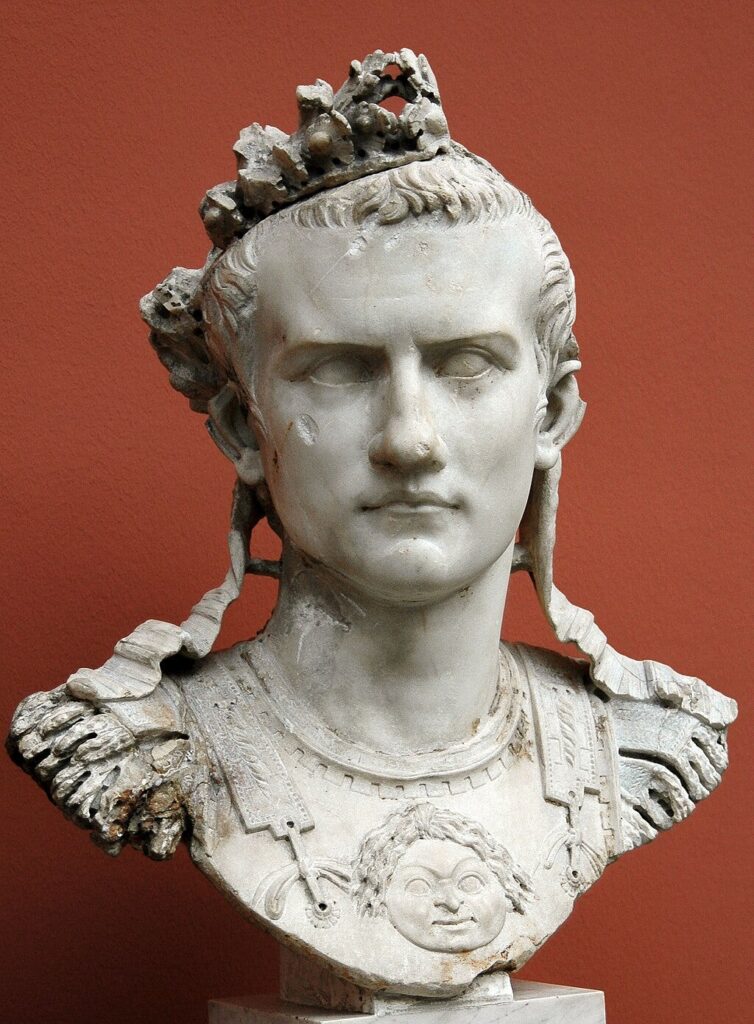
At long last, Tiberius was dead. After twenty-three long years marked by fear, mistrust, and paranoia, the grim and utterly unlikable Emperor Tiberius met
Caligula’s Sisters in the Plot of the Three Daggers Read More »

Born into a life of privilege, Julia’s world was sent into a tailspin when Augustus executed her husband, accusing him of conspiring to overthrow his rule. Without the protection and political backing of a husband, Julia was vulnerable; elite women in Ancient Rome were expected to rely on a male guardian or husband to protect their interests and reputations.
The Forgotten Exile: Julia the Younger Read More »
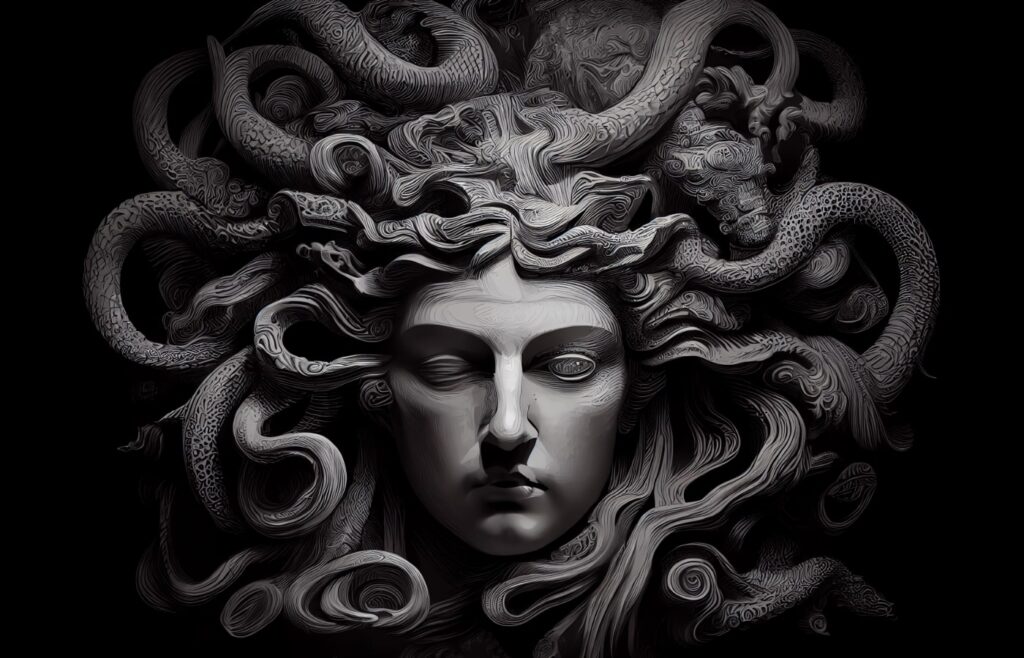
At first glance, it would seem that Medusa, the mortal Gorgon with writhing snakes for hair, wide glaring eyes, and a protruding tongue, is
Mighty Medusa – Ancient Origins Edition Read More »
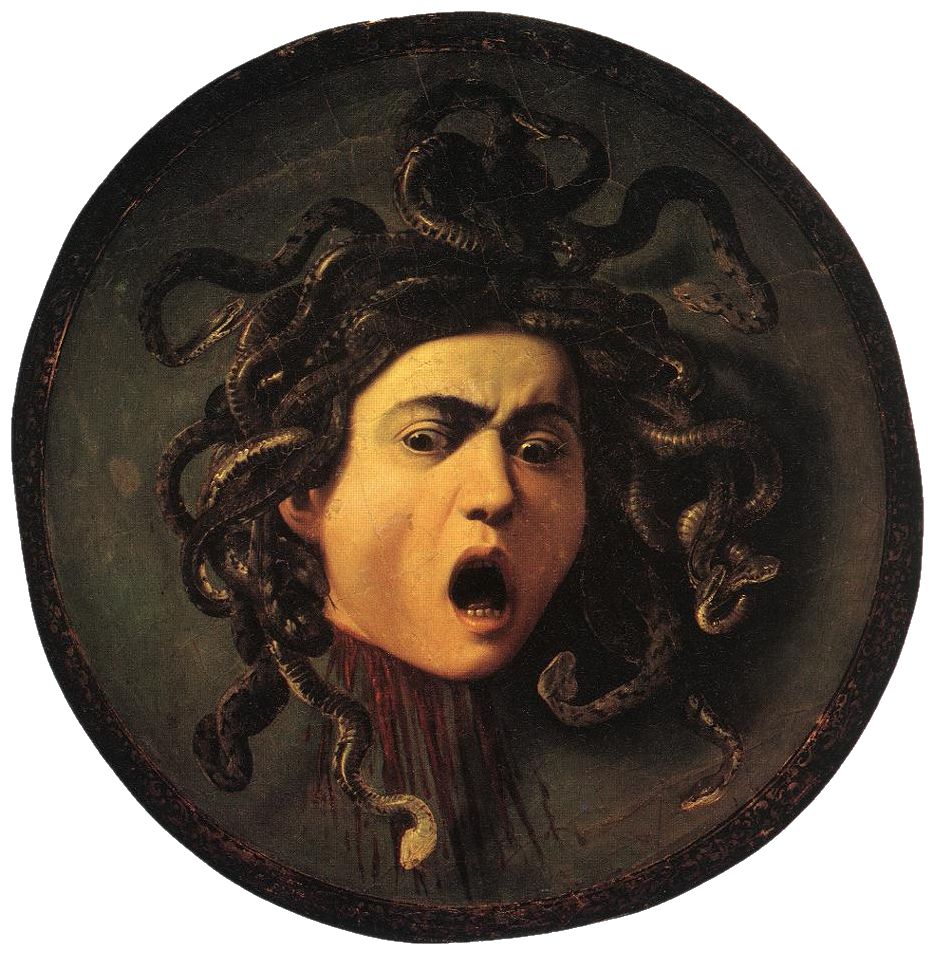
Everyone wants to lay claim to Medusa—the legendary mortal Gorgon with snakes for hair, whose petrifying stare would turn onlookers into stone. Psychoanalysts argue
The Maligning of Medusa Read More »
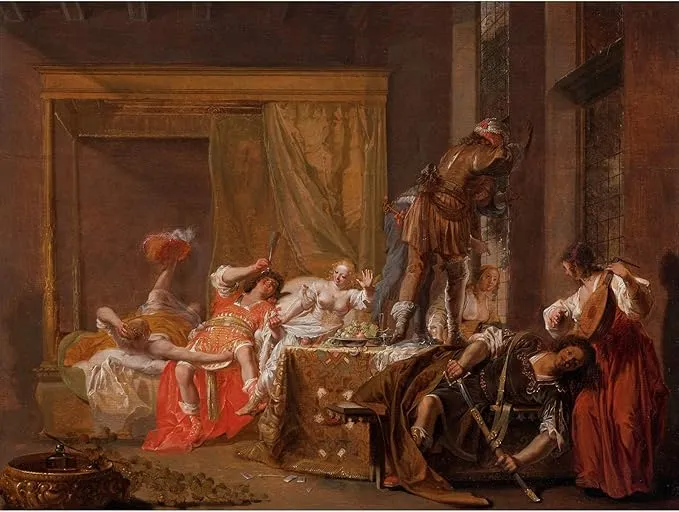
At the legendary nuptials, the aroma of exotic spices and the sound of raucous laughter filled the air as guests were feted on savory
The Madness of Messalina Read More »
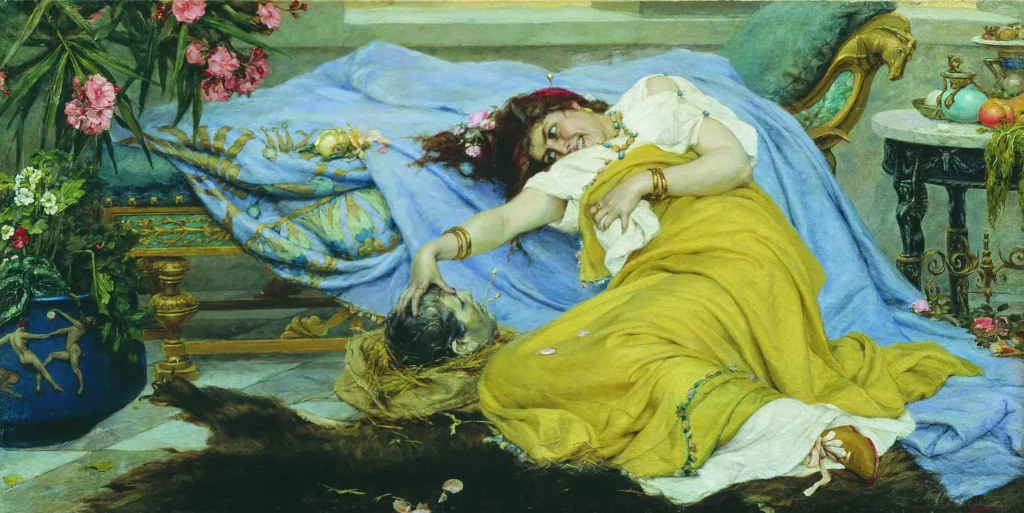
History has long been unkind to Fulvia (85/80 BCE-40 BCE)—the notoriously jilted wife whom Mark Antony abandoned for the Queen of the Nile. The
Fulvia: The “Fourth” Triumvir Read More »
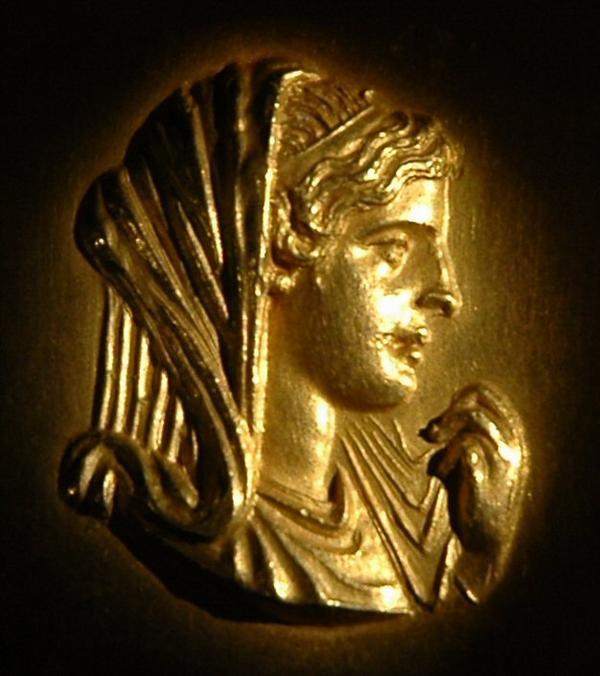
The earth turned on its axis the day Alexander the Great (356-323 BCE) died. Notorious for his unrestrained aggressivity and hard drinking, it should have come as no surprise to the Greeks that Alexander the Great would not live to see old age. Yet when the warrior king died at the age of thirty-two, it left a power vacuum the likes of which the ancient world had never seen, resulting in widespread unrest and turmoil throughout Alexander’s vast empire.
“The First War Between Women”: Olympias and Adea Eurydice Read More »