Briseis: The Sound of Silence
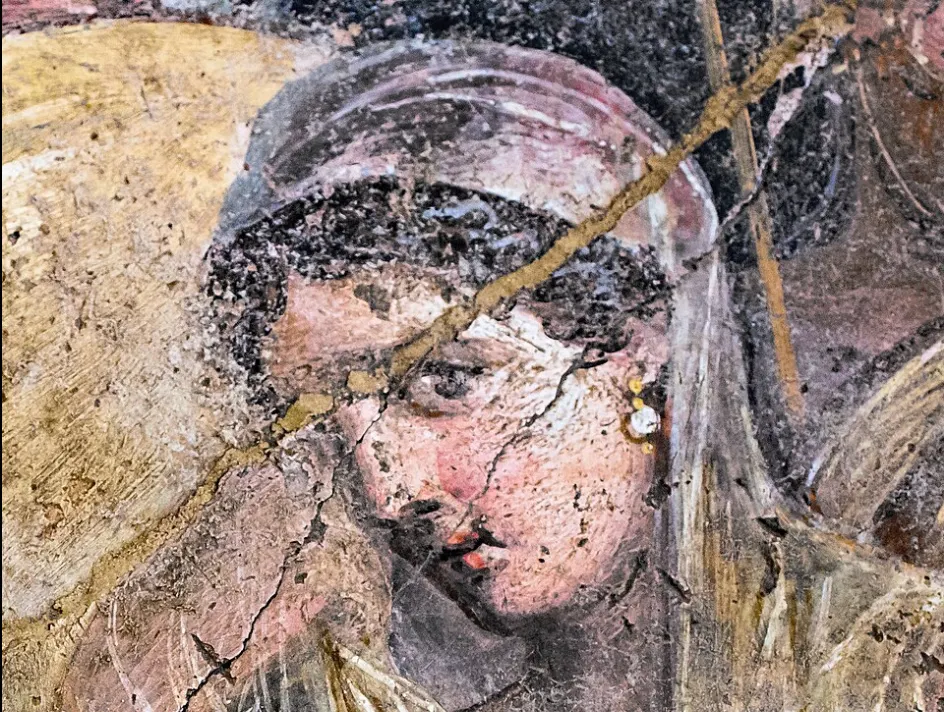
Before Achilles’ fatal war cry shattered her world, Briseis was a princess living a life of privilege. She was married to Mynes, the son […]
Briseis: The Sound of Silence Read More »
Before Achilles’ fatal war cry shattered her world, Briseis was a princess living a life of privilege. She was married to Mynes, the son […]
Briseis: The Sound of Silence Read More »
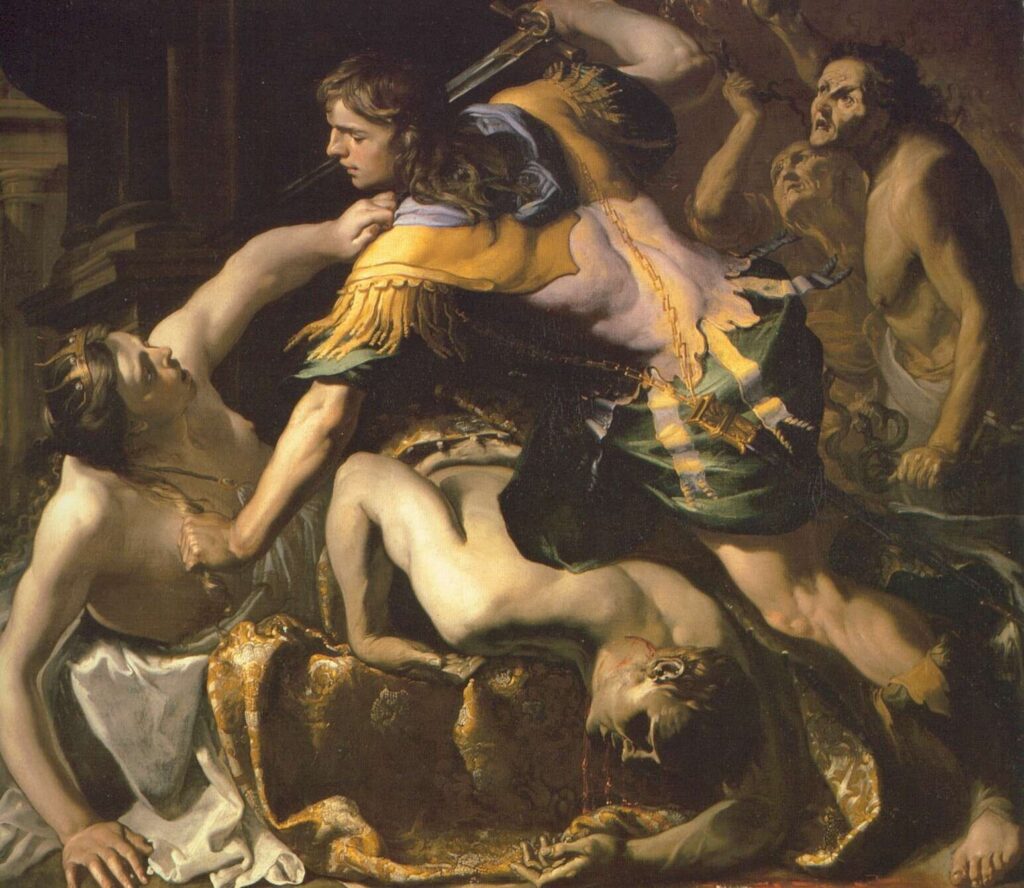
Not every Greek character has a complex named in their honor, and few are more deserving of such recognition than Electra. Coined by Swiss psychoanalyst Carl Jung to name a female counterpart to Freud’s famous “Oedipus Complex”, the “Electra Complex” describes a daughter’s longing for her father, coupled with deep resentment towards her mother. This term effectively encapsulates the myth of Electra, the princess of Mycenae and the second daughter of King Agamemnon and Clytemnestra. Imbued with themes of vengeance, loyalty, and the complex dynamics of familial relationships, her story resonates profoundly in Western literature and psychology.
The Elegies of Electra Read More »
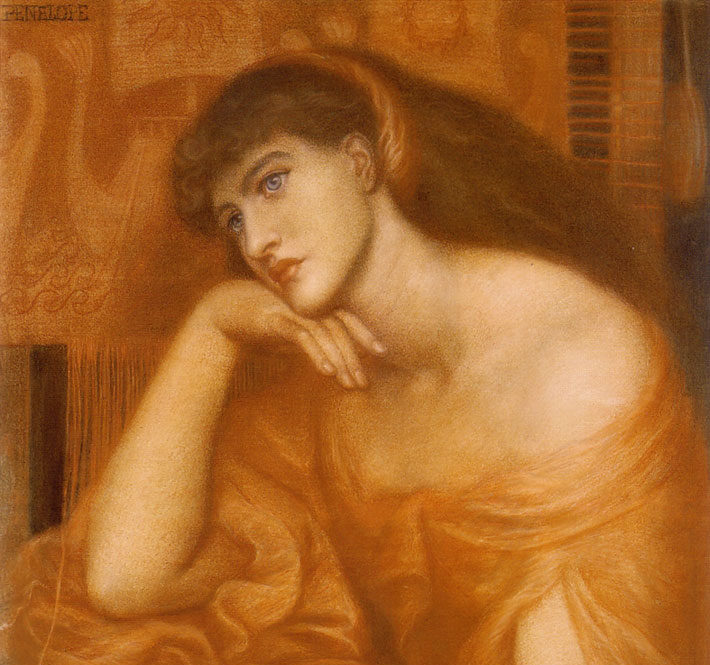
For thousands of years, women everywhere have had Penelope to thank for playing the indelible role of a loyal and stalwart wife to Odysseus, her devious, vengeful and violent-prone husband. Displaying a keen intelligence and an unwavering constancy for endless hard years, Penelope is often depicted in the epic as weeping and wailing while she confines herself to the bedroom during critical moments—apropos of any intelligent and strong woman.
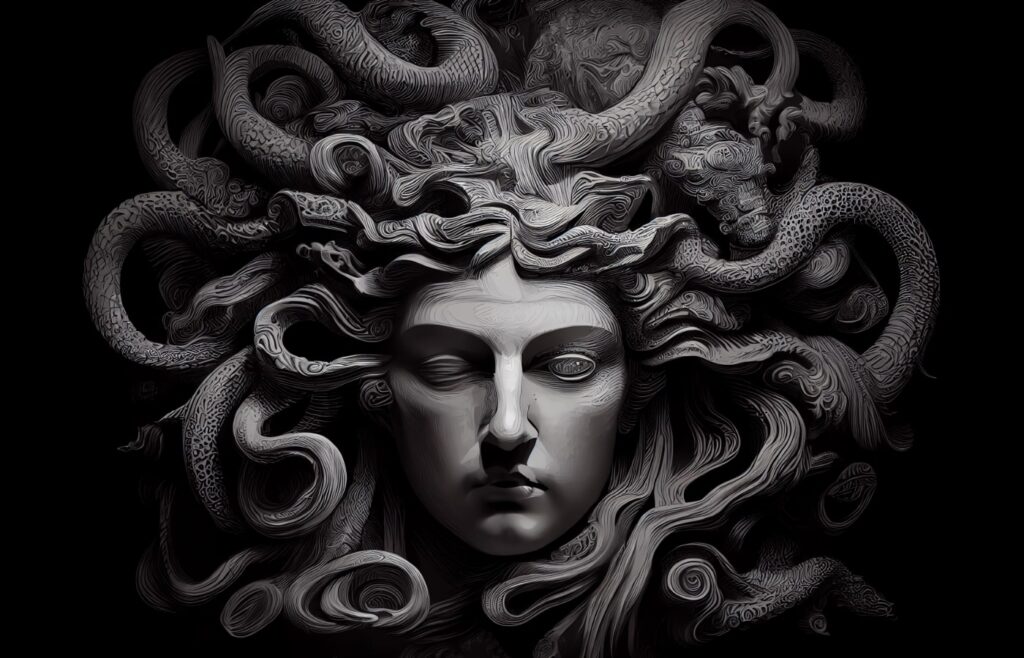
At first glance, it would seem that Medusa, the mortal Gorgon with writhing snakes for hair, wide glaring eyes, and a protruding tongue, is
Mighty Medusa – Ancient Origins Edition Read More »
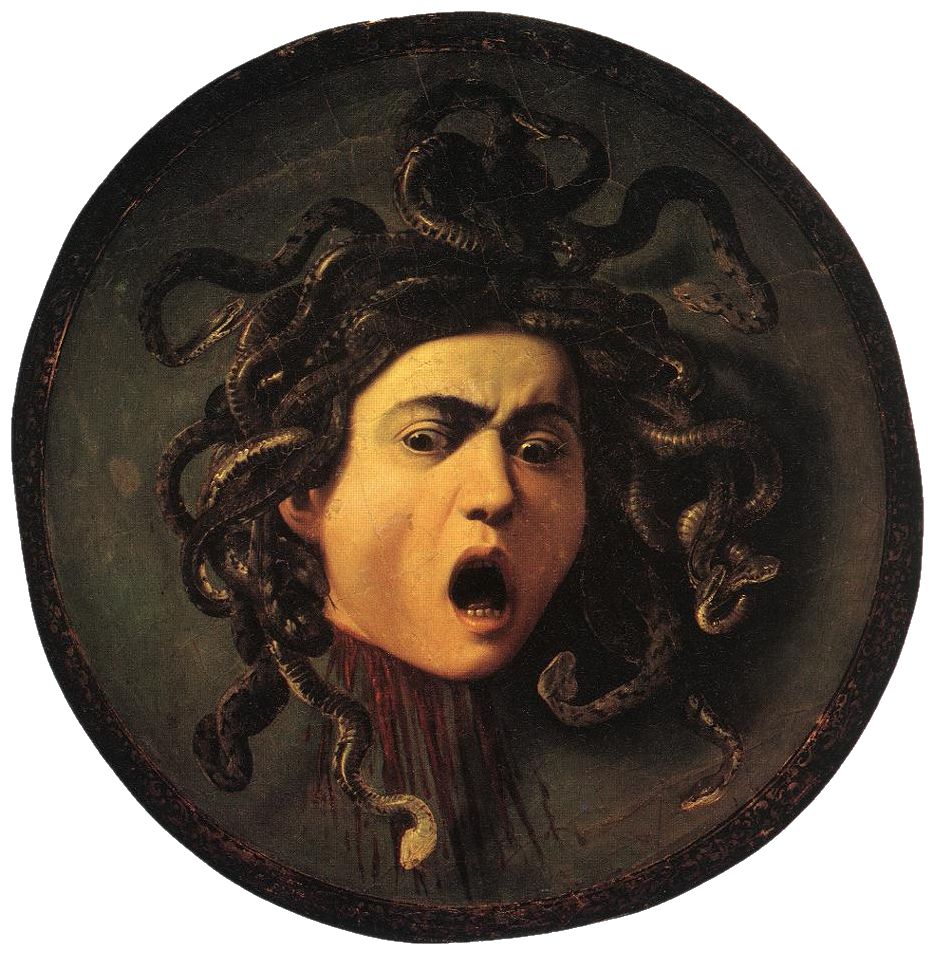
Everyone wants to lay claim to Medusa—the legendary mortal Gorgon with snakes for hair, whose petrifying stare would turn onlookers into stone. Psychoanalysts argue
The Maligning of Medusa Read More »
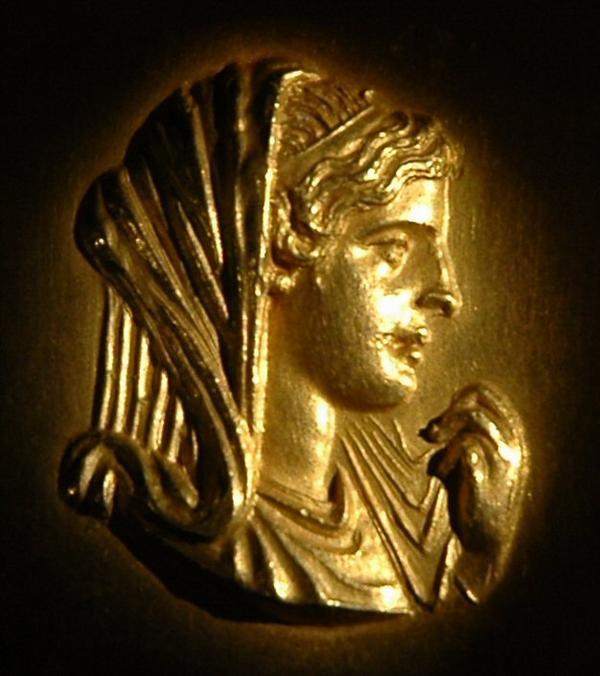
The earth turned on its axis the day Alexander the Great (356-323 BCE) died. Notorious for his unrestrained aggressivity and hard drinking, it should have come as no surprise to the Greeks that Alexander the Great would not live to see old age. Yet when the warrior king died at the age of thirty-two, it left a power vacuum the likes of which the ancient world had never seen, resulting in widespread unrest and turmoil throughout Alexander’s vast empire.
“The First War Between Women”: Olympias and Adea Eurydice Read More »
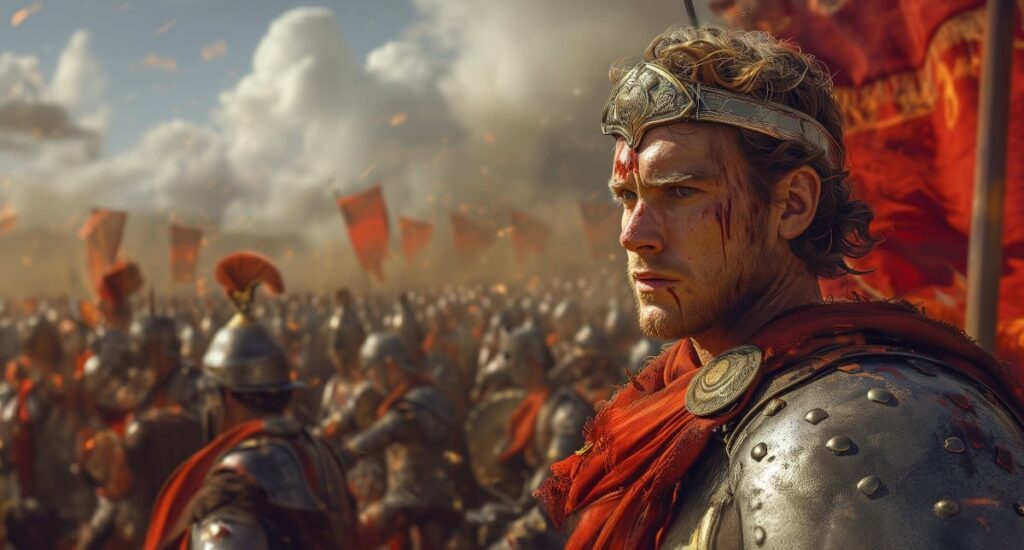
It is no wonder that Alexander the Great (356 BCE–323 BCE) was often mistaken for a god; he modeled his life on nothing less.
Of all the unhappy couples in Greek literature perhaps the unhappiest is that of the Olympian first couple themselves. As the goddess of marriage,
Hera: Suppression of the Native Queen Read More »
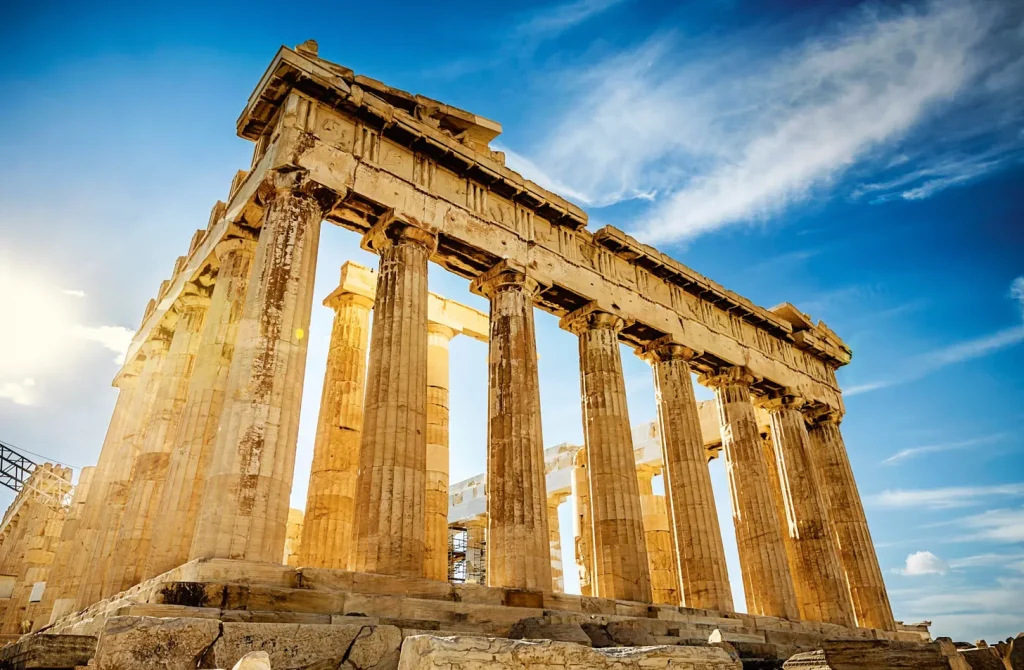
Located south of Naples on the coast of the Tyrrhenian Sea, some twenty miles south of the Amalfi Coast stands the ancient Greek city of
The Greek Temples of Paestum Read More »
With a name that defines incredulity itself, it is no wonder that Cassandra—the cursed Trojan prophetess—has a hard time being taken seriously. Scorned throughout the ages, Cassandra was infamously disregarded and frequently reviled by her countrymen. Even her own mother ridiculed her.
The Curse of Cassandra Read More »