

Cleopatra Selene: A Dynasty’s Last Breath
The streets of Rome were drunk and riotous with delight in the summer of 29 BCE on the final, most opulent day of Octavian’s three-day-long
Cleopatra Selene: A Dynasty’s Last Breath Read More »
The streets of Rome were drunk and riotous with delight in the summer of 29 BCE on the final, most opulent day of Octavian’s three-day-long
Cleopatra Selene: A Dynasty’s Last Breath Read More »
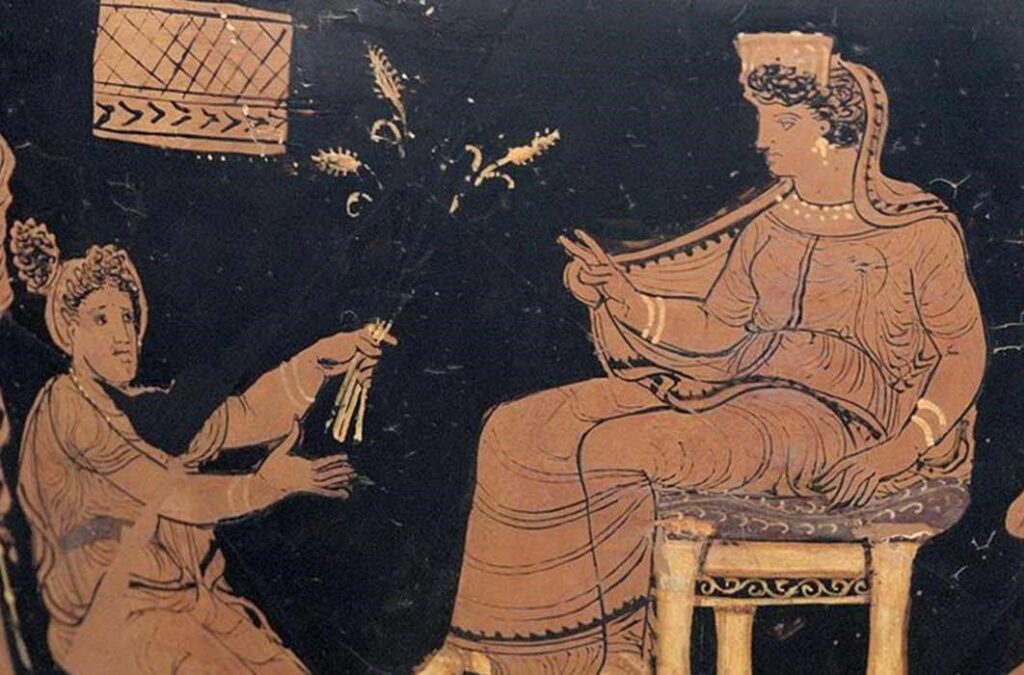
Conjuring up mystical images of secret initiation rites held under cover of darkness, the Eleusinian Mysteries had a reputation as a dark and dangerous festival.
The Mysterious Eleusinian Mysteries Read More »
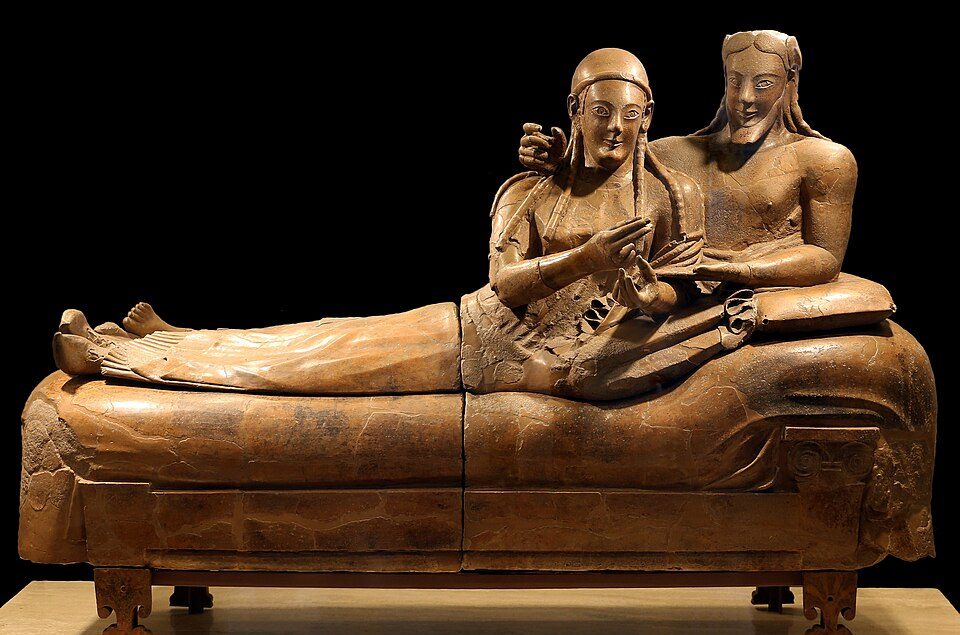
Predominantly situated between the Tiber and the Arno Rivers—west and south of the Apennine Mountains—is the area known as Etruria (today’s Tuscany, western Umbria,
The Elusive Etruscans Read More »
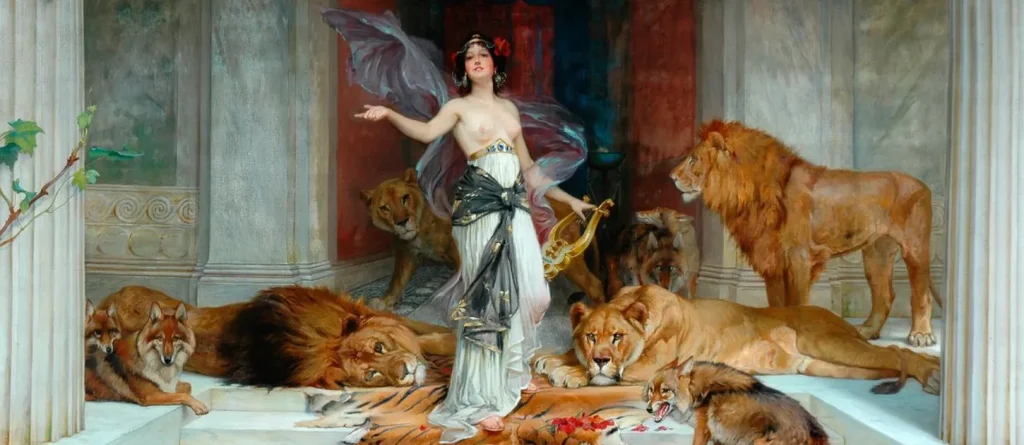
With a penchant for turning men into swine, it is no wonder that Circe is having a moment right now. In Christopher Nolan’s blockbuster film
The Many Faces of Circe Read More »
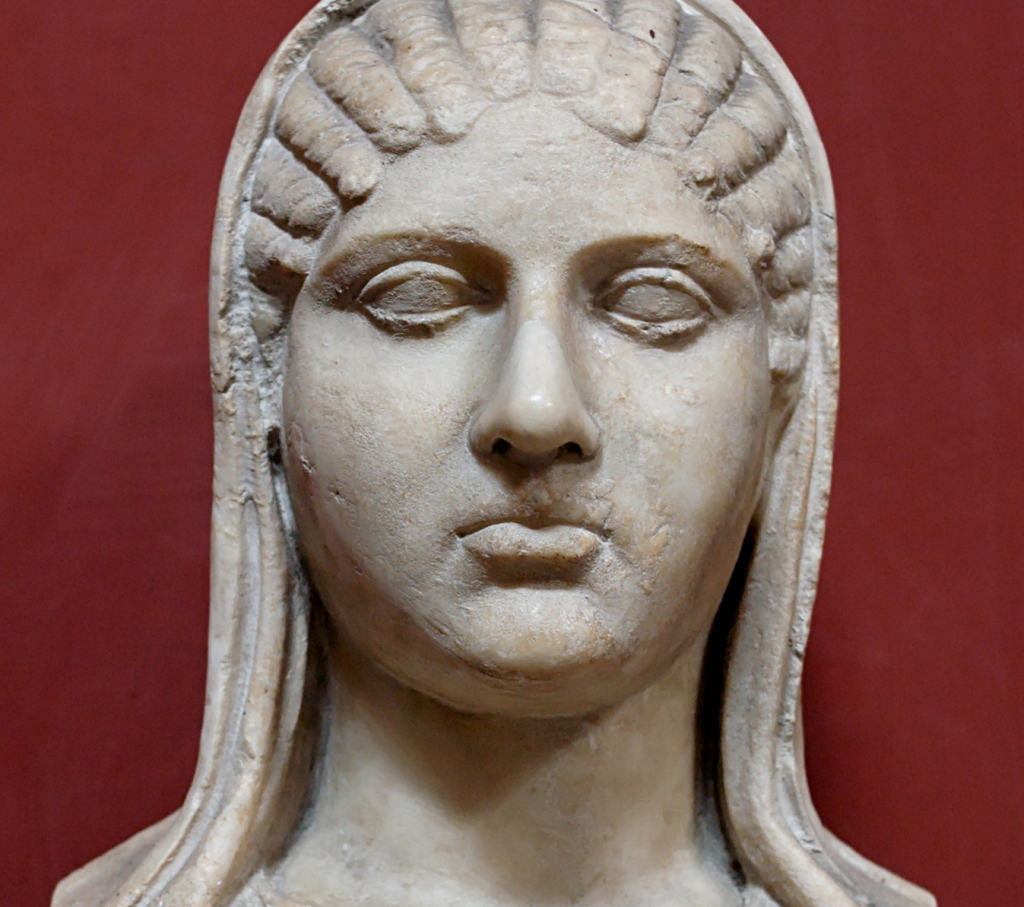
Much of what has been attributed to Aspasia comes to us through the filtered lens of writers whose accounts reflect the gendered biases of the day. Over the years, historians have frequently regarded these slanted narratives as established truths; yet, can ancient chroniclers, many of whom were comedic playwrights parodying Aspasia, have accurately recounted the life of a powerful woman without inherent bias?
In Search of Aspasia Read More »
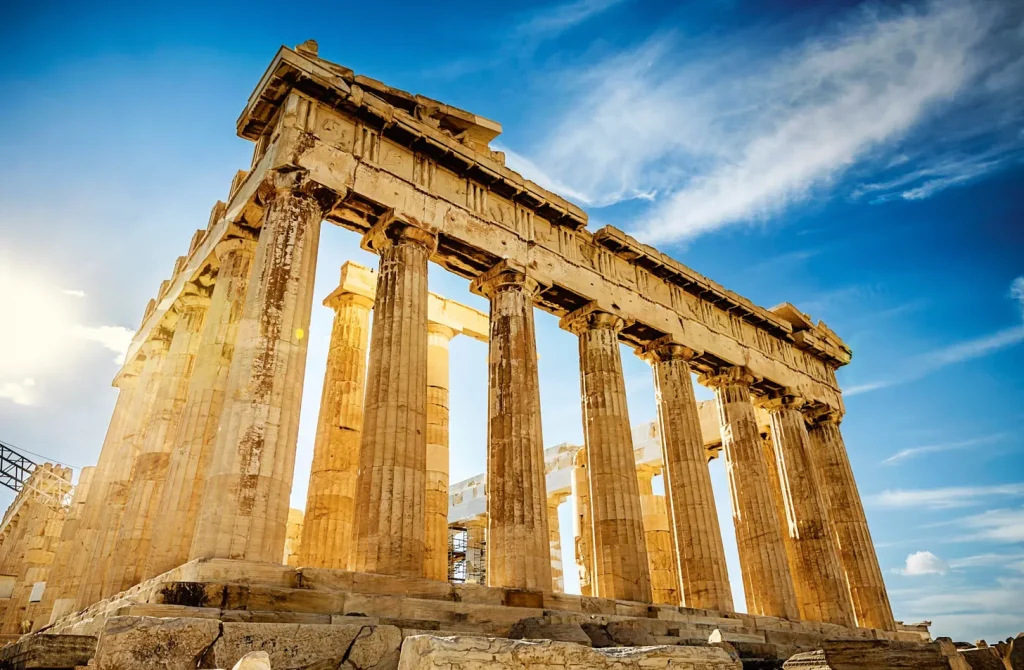
Twas thus She spoke—”that blush of shame proclaims thee Briton, once a noble name; First of the mighty, foremost of the free, Now honoured
The Curse of Athena Parthenos: Lord Elgin and the Parthenon Plunder Read More »
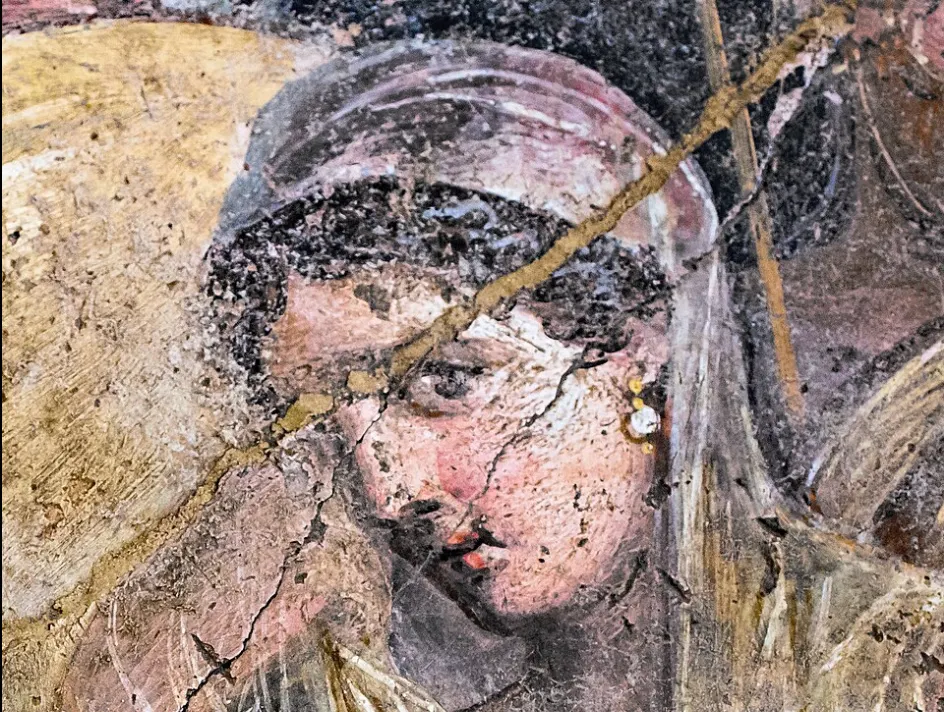
Before Achilles’ fatal war cry shattered her world, Briseis was a princess living a life of privilege. She was married to Mynes, the son
Briseis: The Sound of Silence Read More »
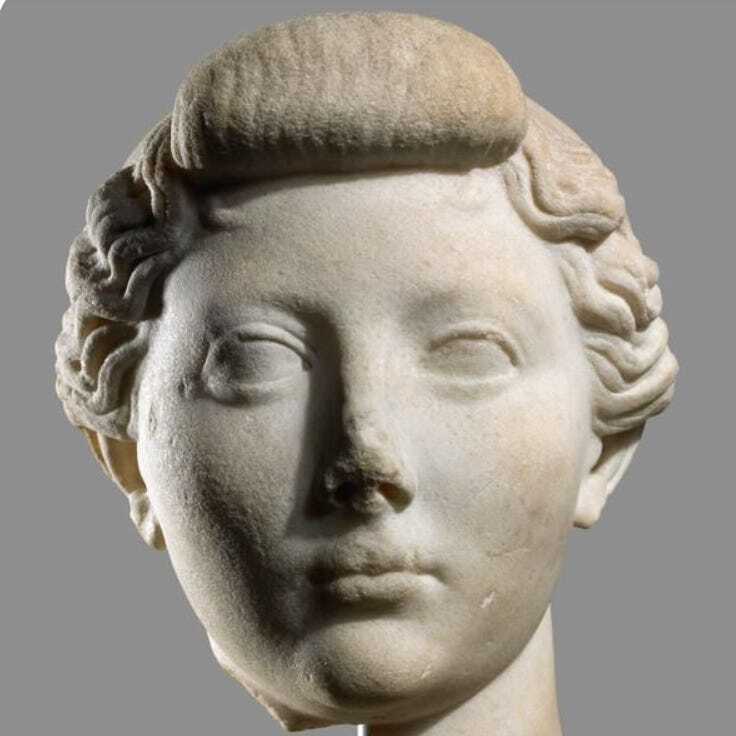
Livia Drusilla (58 BCE–29 CE) was portrayed as the quintessential Roman matrona (mother)—modest, devoted, and virtuous. This image shaped imperial propaganda and earned her an extraordinary amount of public statuary as well as a considerable cult following during her lifetime, particularly in the Greek East, where she was worshipped as a goddess.
Livia Drusilla: Mother of the Country or Evil Stepmother? Read More »
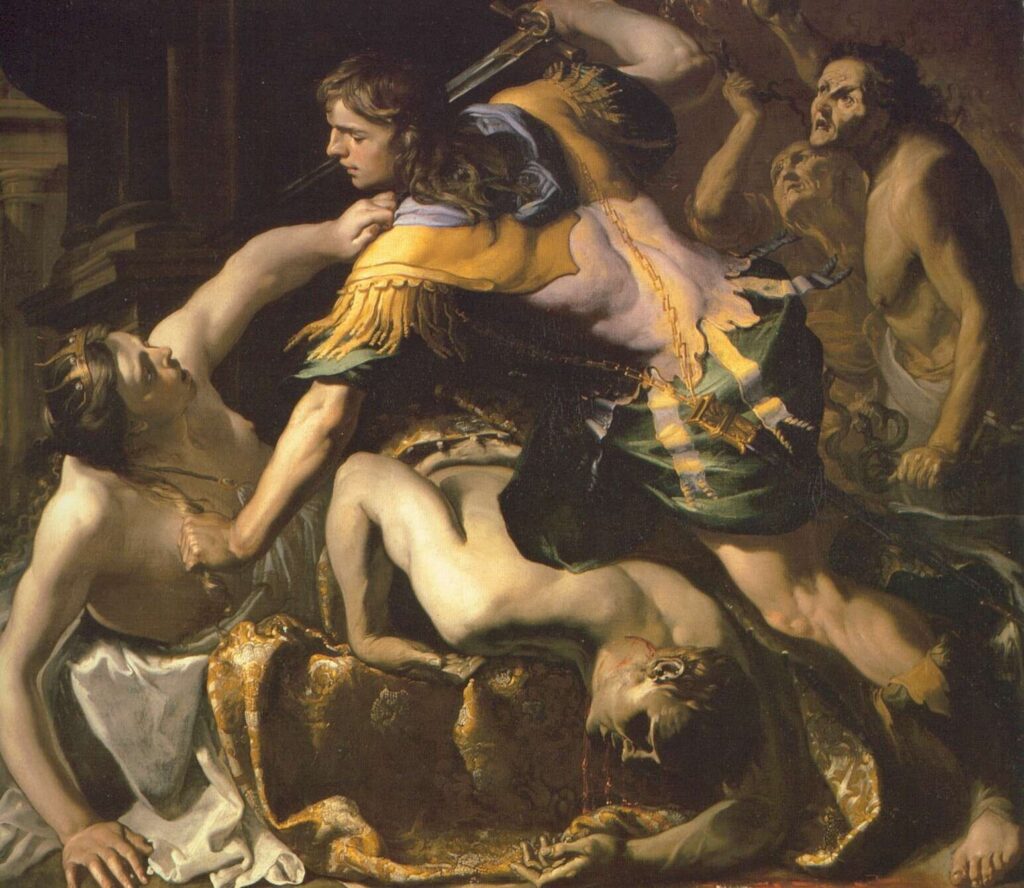
Not every Greek character has a complex named in their honor, and few are more deserving of such recognition than Electra. Coined by Swiss psychoanalyst Carl Jung to name a female counterpart to Freud’s famous “Oedipus Complex”, the “Electra Complex” describes a daughter’s longing for her father, coupled with deep resentment towards her mother. This term effectively encapsulates the myth of Electra, the princess of Mycenae and the second daughter of King Agamemnon and Clytemnestra. Imbued with themes of vengeance, loyalty, and the complex dynamics of familial relationships, her story resonates profoundly in Western literature and psychology.
The Elegies of Electra Read More »
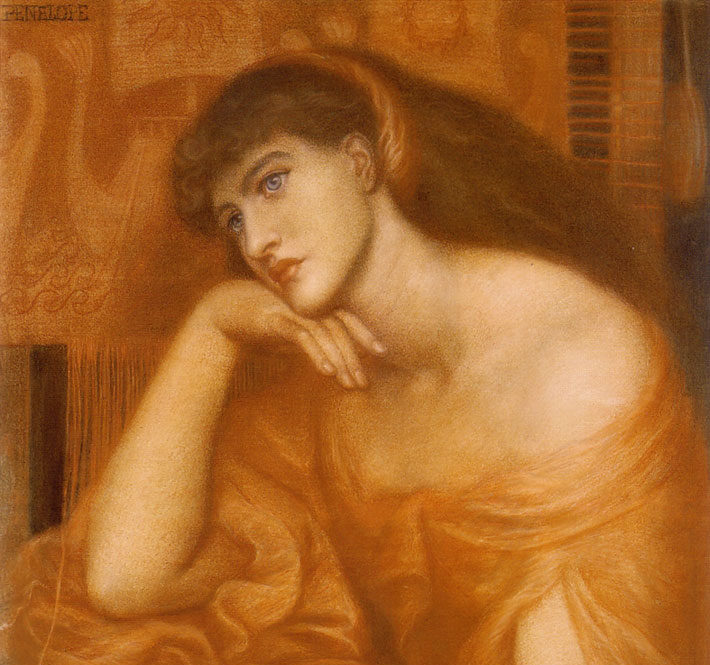
For thousands of years, women everywhere have had Penelope to thank for playing the indelible role of a loyal and stalwart wife to Odysseus, her devious, vengeful and violent-prone husband. Displaying a keen intelligence and an unwavering constancy for endless hard years, Penelope is often depicted in the epic as weeping and wailing while she confines herself to the bedroom during critical moments—apropos of any intelligent and strong woman.
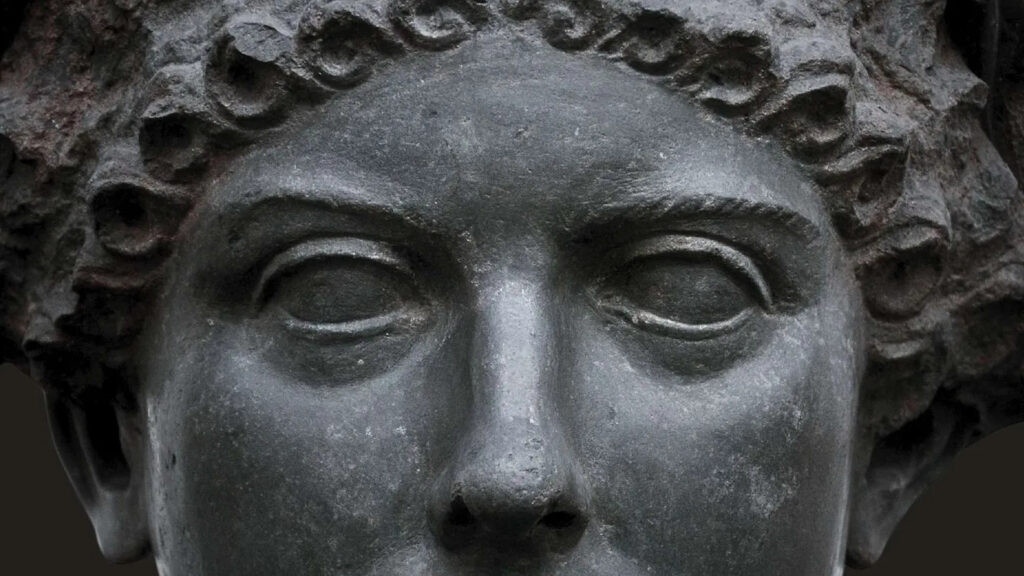
Had Julia Agrippina Minor (Agrippina the Younger, 15 CE-59 CE) known that her son Nero would ultimately have her killed, she might have reconsidered giving
The Emperor’s Mother Read More »
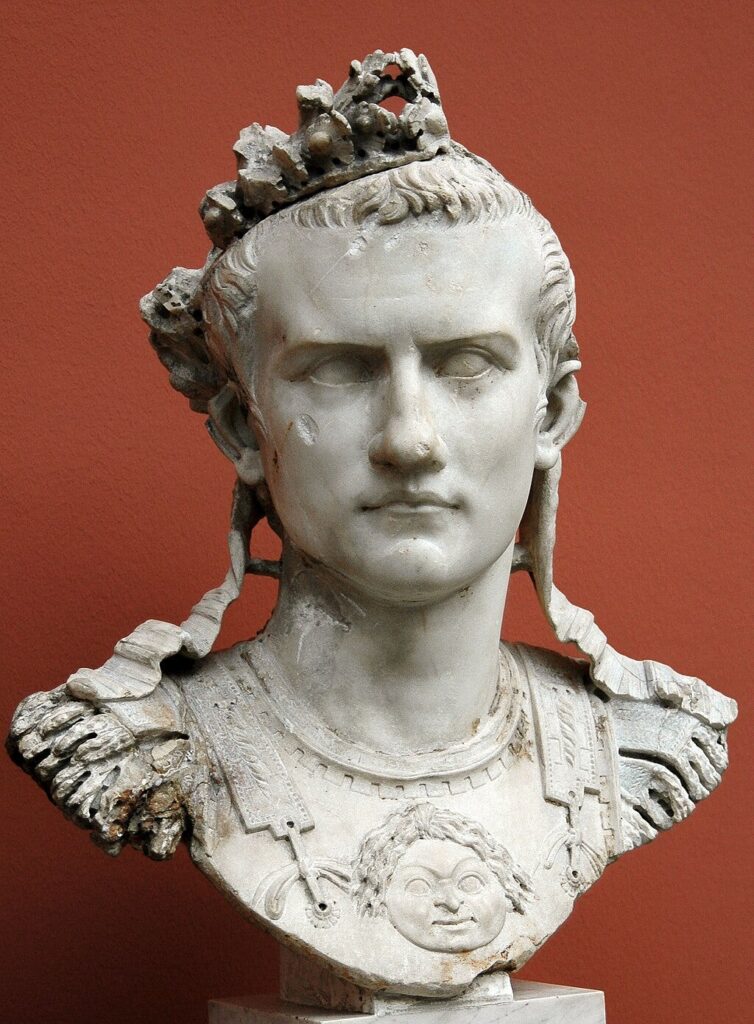
At long last, Tiberius was dead. After twenty-three long years marked by fear, mistrust, and paranoia, the grim and utterly unlikable Emperor Tiberius met
Caligula’s Sisters in the Plot of the Three Daggers Read More »